 Your browser is out of date. For best experience switch to latest updated Browser.
 Get Chrome
 Get Edge
 Get Firefox
Ability Levels
Categories
Resource Types
Age/Grade Range
CCSS
Anchor Standard
Speaking & Listening
Language
Reading
Using the Ida My World Counseling Tool with Children
$ 0
Chart listing ages 2-3 years, 4-6 years, 7-11 years, 12-19 years with characteristics of communication, stage of PS-ychosocial development, goal, activity, and additional resources/supports.
Addressing Self-Esteem and Issues of Fitting In
$ 0
Information handout on the importance of self-esteem to school success, PS-ychosocial development, and strategies to help feelings of fitting in to the mainstream classroom.
Age 12-19 - Reconciling Feelings of Fitting In - Building Self-Confidence & Resilience
$ 250
For ages 12-19 years: This information addresses feelings of fitting in, problem-solving, social isolation, identity, importance of role models, positive outlook, and dealing with challenges due to he
...
aring loss. The purpose of this book is to raise awareness for the reasons why hearing device rejection happens and specific instruction to occur at different ages to build student resilience and self-confidence, thereby increasing the likelihood that they will not reject using their hearing technology. Specific teaching activities and recommendations for instructional materials to develop identified skills have been included in this Guide.
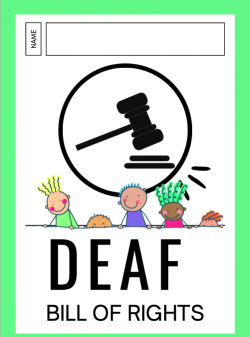
Deaf Bill of Rights Booklet
$ 5
Do your students know their rights? Teach them the Deaf Bill Rights so they understand how the law works for student with hearing loss and who are deaf and blind. Here is a simple booklet to help stud
...
ents understand the Deaf Bill of Rights.
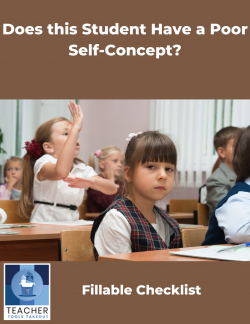
Does this student have a poor self-concept? Checklist (fillable)
$ 450
Checklist to be completed by students or via teacher interview. Responses reflect level of self-esteem/self-concept. Fillable.
Auditory Rehab - Auditory Training GUESS WHO? Game
$ 6
Play Guess Who? the classic board game with an auditory spin using this Auditory Rehab Game Changer™. This activity is designed for individuals that are deaf and hard of hearing and for use in cochlea
...
cochlear implant rehabilitation for older children, teens, and adults.IDEAL FOR: Deaf & Hard of Hearing, Listening & Spoken Language, Auditory Training, Auditory Rehabilitation, Speech...The GUESS WHO Game Changer✤ is played with special directions and rules✤ challenges beginner and intermediate listeners✤ works in closed and bridge listening sets✤ practices identifying words in sets and within connected speech✤ focuses on taking turns, talking while advocating for hearing needs✤ encourages gameplay and practice at home with family and friends✤ practice can lead to communication success✤ is motivating and funGameChangers™➼ result in natural listening practice much different than contrived lists or online or programs.➼ allow for real-time modifications based on the player's auditory skills➼ fosters self-advocacy skills➼ improves communication confidence and successINCLUDES:a pre-game companion that prepares the Listener to play the gamefeatures practice exercises and activities.offers clear directions for therapists, teachers, a listening coach, family members, and friendsincludes listening tips and strategiesfollows an auditory hierarchyNOTE: The amount of practice necessary will vary before a listener is ready to play the game and is dependent upon the listener’s listening skills
Large Group Student LIFE
$ 4
This checklist is designed to be a pretest/post-test when a Classroom Amplification Distribution System (CADS or soundfield amplification) is used in a classroom in which large group instruction is pr
...
esented. It can be used with a selected subgroup of students, or all students can be asked to complete the checklist. Each student rates his/her general responsiveness during instruction on a 1-5 rating scale. Includes room for minimal comments. Results will be most valid for students in grade 4 or ages 9-10 and above.
High Frequency - Relationship of Hearing Loss to Listening and Learning (Spanish Version)
$ 0
Handout with information on possible impact on understanding language, speECH-, social, and need for educational accommodations and services in Spanish language. For high-frequency hearing loss.
...
Encouraging Positive Self-Concept in Children
$ 0
Informational handout describes the importance of self-concept and suggests ways to assess a student's level of self-concept. It also provides 4 strategies to improve a student's self-confidence.
Social Skill Areas - Definitions and Critera
$ 0
The four major social skill areas are defined and operationalized for elementary and secondary learners: compliment, questions, small talk, and criticisms. It is followed by extensive examples of how
...
to elicit social responses from students.

 Cookies