 Your browser is out of date. For best experience switch to latest updated Browser.
 Get Chrome
 Get Edge
 Get Firefox
Ability Levels
Categories
Resource Types
Age/Grade Range
CCSS
Anchor Standard
Speaking & Listening
Language
Reading

Living in the World with Hearing Loss: What Other People May Think
$ 1
Living in the World with Hearing Loss: What Other People May Think consists of 3 activity worksheets wherein students consider their own feelings about having a hearing loss in contrast to the accepta
...
nce of others who do not have a hearing loss. An excercise to use when students resist amplification use and to support self-determination.

Hearing aids for children with mild hearing loss should not carry a social stigma
$ 0
Brief informational article. Even mild hearing loss can have an impact on a child's ability to learn, but many parents balk at the idea of hearing aids.
My Child Has Permanent Hearing Loss: Now What?
$ 0
Once a child is diagnosed with hearing loss family members have many questions. This resource provides information addressing how overwhelming the diagnosis can be and families may have many feelings
...
about the testing process and the diagnosis. It describes where you can find help and support and why it is important to start services shortly after the hearing loss is diagnosed.
CAVE Checklist - Communication Access in Virtual Education (French) - fillable
$ 0
The CAVE Checklist in French is a self-report checklist is intended to be completed students age 9 and above who are deaf or hard of hearing to identify possible communication access issues that may o
...
ccur during virtual education situations. It is recommended that the CAVE be completed in an interview format with the DHH specialist discussing each situation with the student. Students read 10 questions related to accessing communication in online learning situations and rate them from Always Easy to Always Difficult, or Doesn't Happen. A total score can be obtained. Not every situation will apply to every student. Situations indicating appropriate access will receive scores of 4 or 5. Items scoring 1, 2, 3, need to be addressed for appropriate access needs. The 10 questions are followed by a list in which the student identifies what he or she thinks helps most during online learning.

Attitude is Caught, Not Taught for Families
$ 0
This is a powerful handout Attitude is Caught, Not Taught which sheds light on how parent behavior helps shape child attitudes toward hearing aid use and hearing loss.
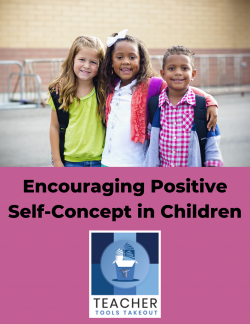
Encouraging Positive Self-Concept in Children
$ 0
Informational handout describes the importance of self-concept and suggests ways to assess a student's level of self-concept. It also provides 4 strategies to improve a student's self-confidence.
Assessment - Disability Identity Development Model
$ 295
Gibson's Identity Model is explained in three stages. Students are asked to rate each of the statements about their hearing loss, feelings about fitting in, and how they self-identify. Fillable form.

What we Know about Why Children Reject Amplification Devices
$ 1
This information reviews research findings that provide insight on which students are more likely to refuse to wear their hearing amplification and reasons why.

Self-Identity and Hearing Loss
$ 0
Children with hearing loss, especially those who have significant residual hearing, often struggle with identity. This handout provides information on children struggling to be the only child with hea
...
ring loss in their school or grade and the need to develop resilience.
Checklist of Auditory Skills for Classroom Success
$ 150
Auditory skills are developed within a set hierarchy. This 1-page sheet provides a checkable list of auditory skills represented by the hierarchy. It is a good summary to share with families and educa
...
tors to demonstrate the complexity of learning listening skills when a child is born with a hearing loss.


 Cookies